
Click to view
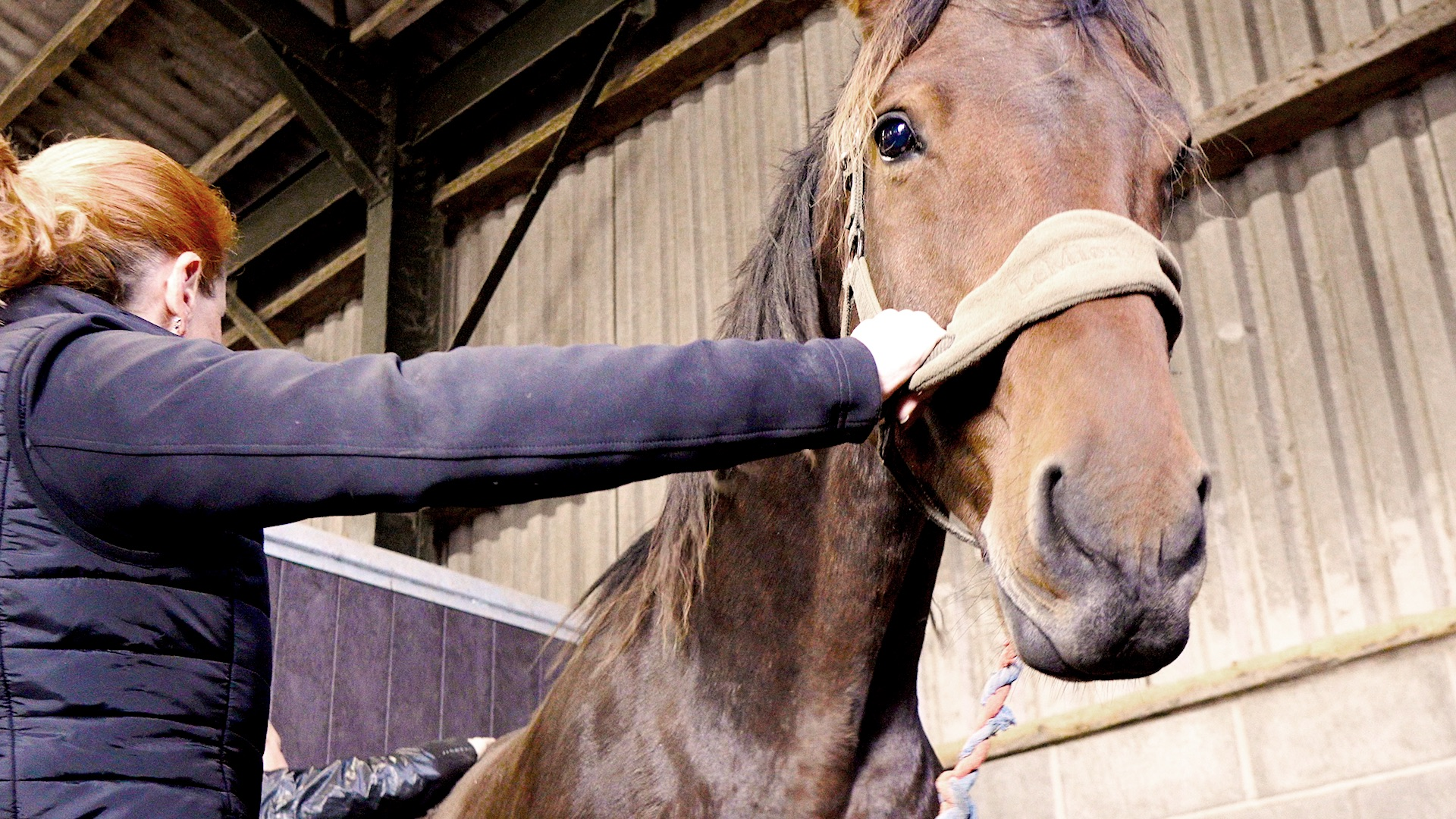
For horses affected by trigeminal-mediated headshaking, the prognosis is sobering. The condition — characterised by violent, involuntary vertical flicking of the head, nasal irritation, and profound distress, often triggered by exercise, light, or wind — has no confirmed cause and no reliably curative treatment. When EquiPENS, supplementation, and pharmacological options fail to bring meaningful relief, euthanasia is frequently the outcome. Sadie Pearce's thesis does not offer a clinical trial or a treatment protocol. What it offers is something arguably more valuable at this stage: a carefully constructed hypothesis. Through a systematic narrative review of the available literature, she maps the anatomy and neurophysiology associated with TMHS and asks whether the physiological changes described in osteopathic somatic dysfunction could illuminate — and potentially address — the underlying pathology. The trigeminal nerve is the largest cranial nerve, with extensive sensory coverage across the head. Research has confirmed hyperexcitability of its maxillary branch in affected horses, with measurable reductions in the threshold at which the infraorbital nerve fires. What has not been established is why. Pearce traces the anatomical connections between the occipitoatlantal joint, the superior cervical ganglia, and the trigeminal nerve's origin in the brainstem — a pathway where osteopathic lesioning, she argues, could plausibly contribute to the dysfunction observed. The review draws on spinal lesion research, fascial mechanics, neurological signalling, and even the emerging evidence around gut microbiota differences in TMHS horses, building a layered picture of a condition that may be systemic in origin rather than localised to the nerve itself. The role of calcium and magnesium in neural excitability, and the known therapeutic effect of magnesium supplementation, adds further texture to the hypothesis. Whether OMT could offer these horses a meaningful pathway to relief remains an open question — but this thesis makes a compelling case that it deserves serious investigation. The full paper is worth reading for anyone working with horses for whom current treatment options have run out.




.jpg)




.png)


.png)
.png)
