
Click to view
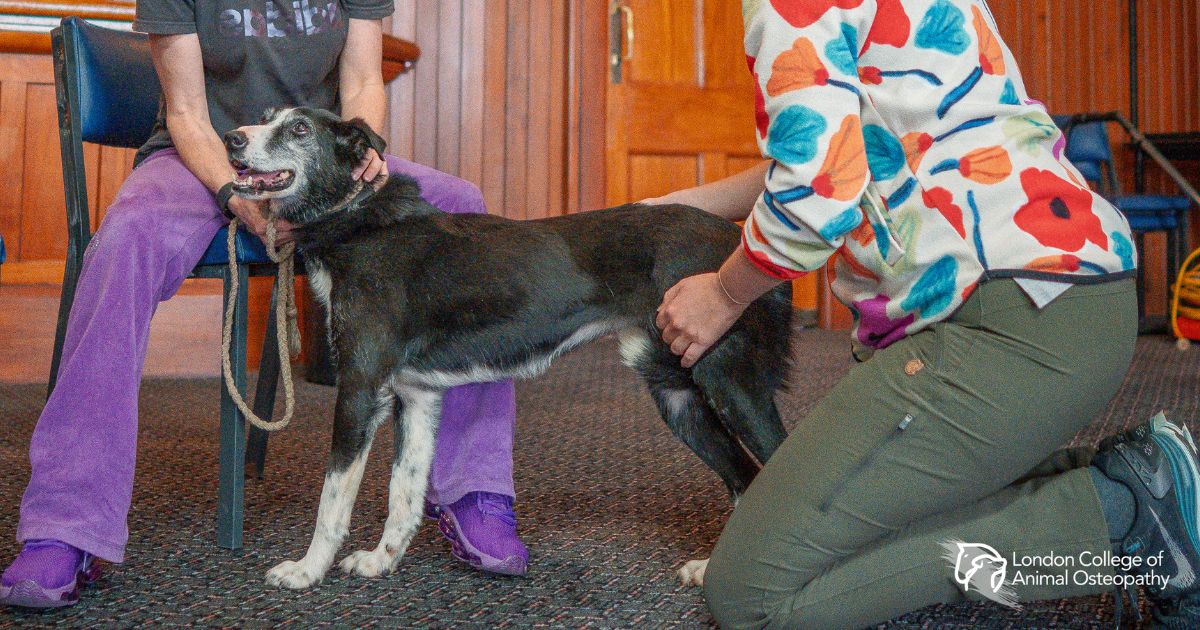
Hip dysplasia is one of the most common diagnoses in medium to large breed dogs, and for many owners the conversation about treatment begins and ends with surgery. But the picture is considerably more nuanced than that. Canine hip dysplasia (CHD) is a multifactorial developmental disorder of the coxofemoral joint, driven by a combination of genetic predisposition and environmental factors including nutrition, weight, and activity levels during the critical puppy growth stages. Joint laxity, progressive cartilage damage and the eventual development of osteoarthritis are its hallmarks — but the severity and clinical presentation vary enormously from dog to dog. This thesis takes a careful look at the full landscape of CHD management, covering both surgical options and the often-underexplored potential of conservative care. On the surgical side, the author examines triple pelvic osteotomy and juvenile pubic symphysiodesis for younger dogs, and total hip replacement for adults with advanced osteoarthritis — including what postoperative rehabilitation actually involves and why manual therapy has a role to play even in the recovery phase. The heart of the work, however, is the case for osteopathic manual therapy as a stand-alone and adjunct treatment. Drawing on osteopathic philosophy and the available research on manual therapy in CHD, the thesis maps the therapeutic parallels between established techniques and OMT principles. Stretching, it turns out, is not just a warm-up — sustained passive and active range-of-motion work can prevent soft tissue adhesion, restore joint extensibility and meaningfully slow functional decline. Joint mobilisation, including osteopathic articular balancing and functional technique, addresses proprioceptive deficits and reduces pain through mechanoreceptor stimulation. And soft tissue massage — effleurage, petrissage, percussion and lymphatic drainage — works directly on the compensation patterns that build up throughout a dysplastic dog's body over time. What emerges is a persuasive argument that OMT deserves a far more prominent place in the CHD management conversation — and a framework for how practitioners can deliver it.










.png)
.png)
