


Click to view
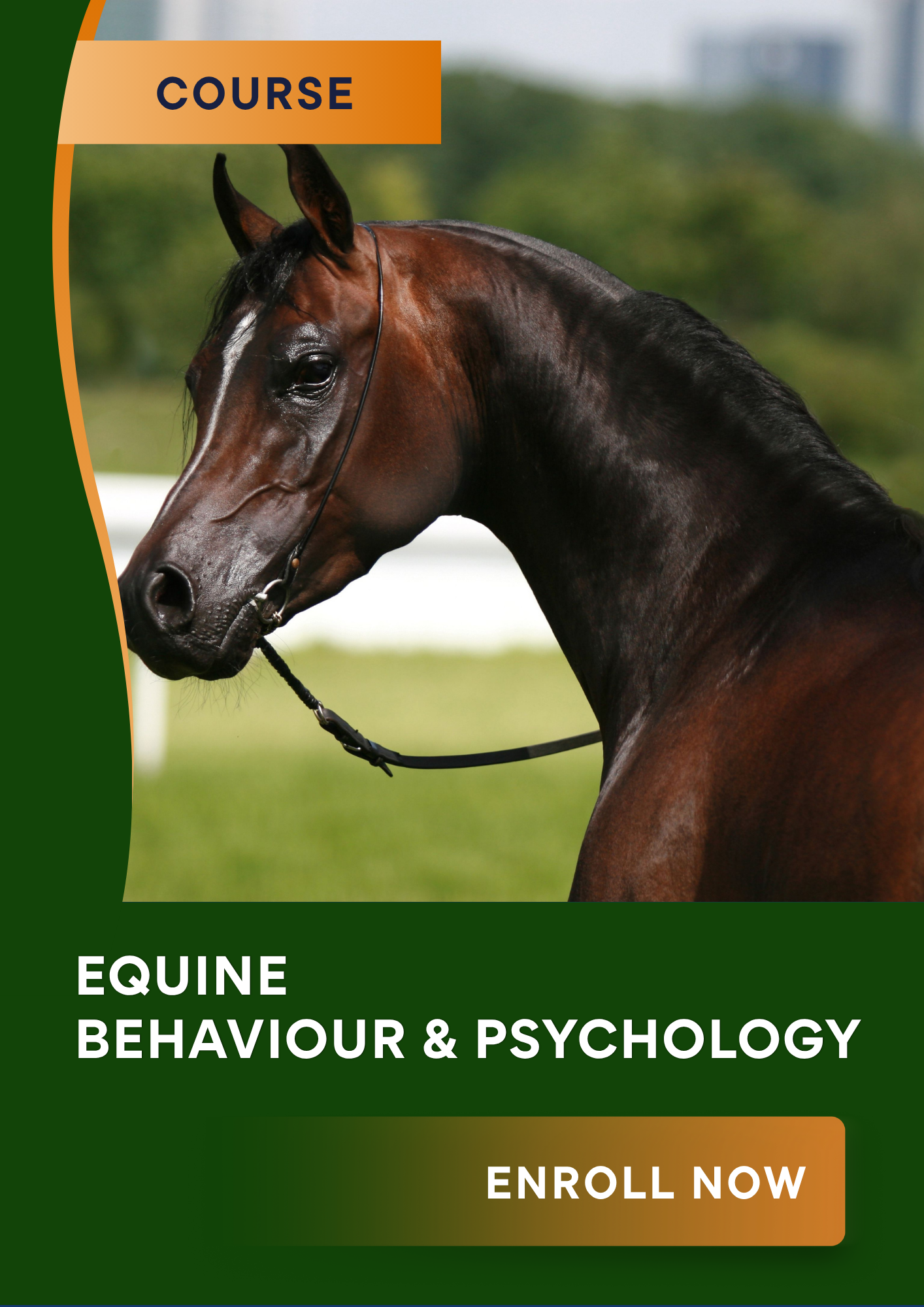
The FEI Dressage Handbook lists open mouth, tilted head, and broken neckline as disobedience. It is a classification that has frustrated researchers, welfare advocates, and practitioners for years — because each of those behaviours can equally signal that a horse is in pain. Kirstin Dunncliff's thesis takes aim at this conflation and asks a direct question: if osteopathy reduces musculoskeletal pain in the performance horse, does behaviour improve as a consequence? The foundation of the argument is built carefully. Horses are prey animals, evolved to suppress outward signs of vulnerability — including pain — in the presence of predators, which, functionally, includes us. Dunncliff draws on research demonstrating that horses exhibit significantly fewer pain behaviours when a caregiver is present, and that more than a third of horses in one study stopped displaying discomfort entirely when observed directly. This masking means that by the time a behaviour problem is visible enough to be labelled naughtiness, the underlying pain may have been present for some time. The thesis provides a thorough survey of the tools now available for identifying equine pain — the Horse Grimace Scale, and Dr Sue Dyson's Ridden Horse Pain Ethogram, which identifies 24 behaviours that, when eight or more are present, indicate musculoskeletal pain with high probability. These are not abstract research instruments; they are practical tools any equine professional can apply at the yard. Against this backdrop, Dunncliff examines the osteopathic evidence. Studies of sacroiliac joint treatment, cranial osteopathy, and joint manipulation show measurable improvements in gait, posture, and pain threshold. One study recorded 79% positive outcomes following osteopathic treatment for back pain and poor performance. Another showed significant increases in beta-endorphin following treatment — a physiological marker of the body's own pain-relief response being activated. The honest conclusion is that the research base, while promising, still needs larger controlled trials that explicitly link osteopathic treatment to observable behavioural change over time. But the direction of the evidence is clear enough to act on. This thesis is essential reading for anyone who has ever been told their horse is simply being difficult.
.png)


.jpg)

.png)


.png)
.png)
