
Click to view
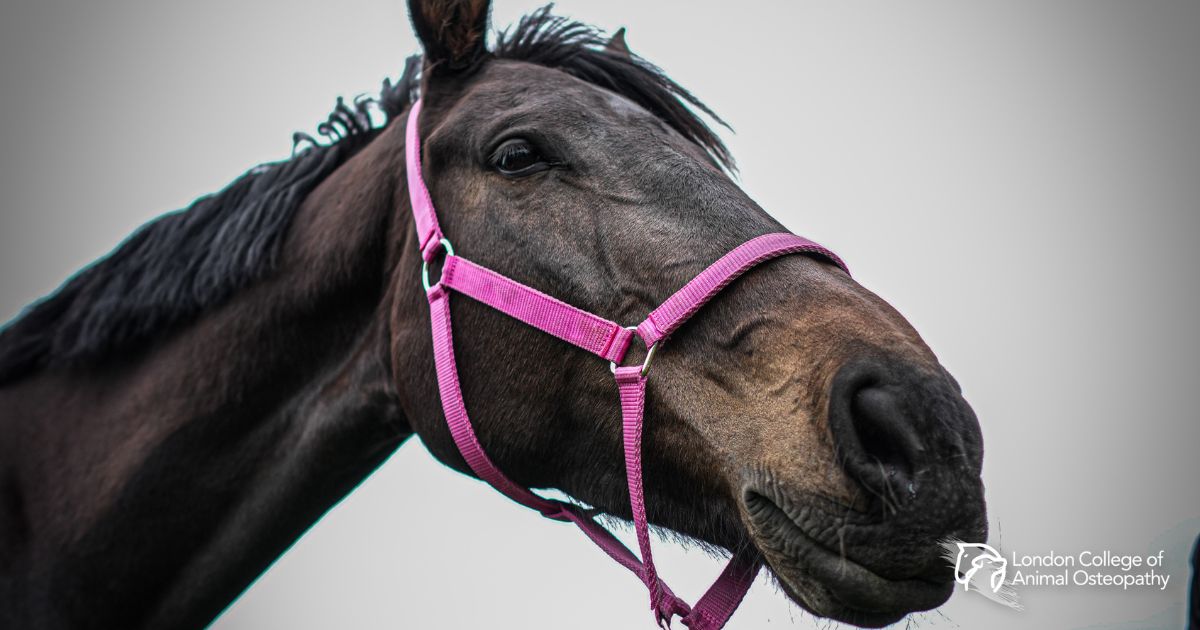
The neck accounts for approximately six percent of a horse's total body weight, and it does far more than hold up the head. It generates momentum, contributes to forelimb protraction, stabilises the whole spinal column during movement, and plays a central role in how a horse collects and engages. When the cervical region is painful or dysfunctional, the consequences ripple outward — through the forelimbs, the back, the way the horse accepts the contact, and ultimately through performance itself. This thesis asks a direct question: can osteopathic manual therapy have a positive effect on equine cervical pain and dysfunction? To answer it, the author first builds a thorough picture of the cervical region — its seven vertebrae, the unique biomechanics of the atlanto-occipital and atlantoaxial joints, the major muscles and their roles in both mobility and stabilisation, and the nuchal ligament's significant contribution to dynamic head-neck movement during locomotion The paper then moves through the diagnostic landscape: radiography, ultrasound and CT imaging, and the clinical examination techniques available to both veterinarians and osteopaths. Here the author makes an important point — that radiographic evidence of osteoarthritis in the cervical articular process joints does not always correlate with the degree of pain or poor performance the horse is showing. The clinical exam, including palpation and a careful assessment of range of motion, often tells a more complete story. Disorders covered include OA of the articular process joints, vertebral fractures, nuchal ligament desmopathy, nerve root impingement and soft tissue sources of pain — each with distinct clinical presentations and treatment considerations. On the osteopathic side, the thesis evaluates three key treatment approaches: HVLA (high-velocity low-amplitude thrust), osteopathic articular balancing (OAB), and myofascial release. Each is assessed against the available evidence from both equine and human literature. The conclusion is clear and well-reasoned: while the peer-reviewed evidence base specific to equine osteopathy remains limited, the anecdotal and cross-disciplinary evidence strongly supports OMT as a valuable tool in managing cervical pain in performance horses. The practitioner's ability to identify the source of dysfunction — not just manage symptoms — is precisely where osteopathic treatment earns its place in the clinical toolkit.
.svg.png)


.jpg)

.png)


.png)
.png)
