

Click to view
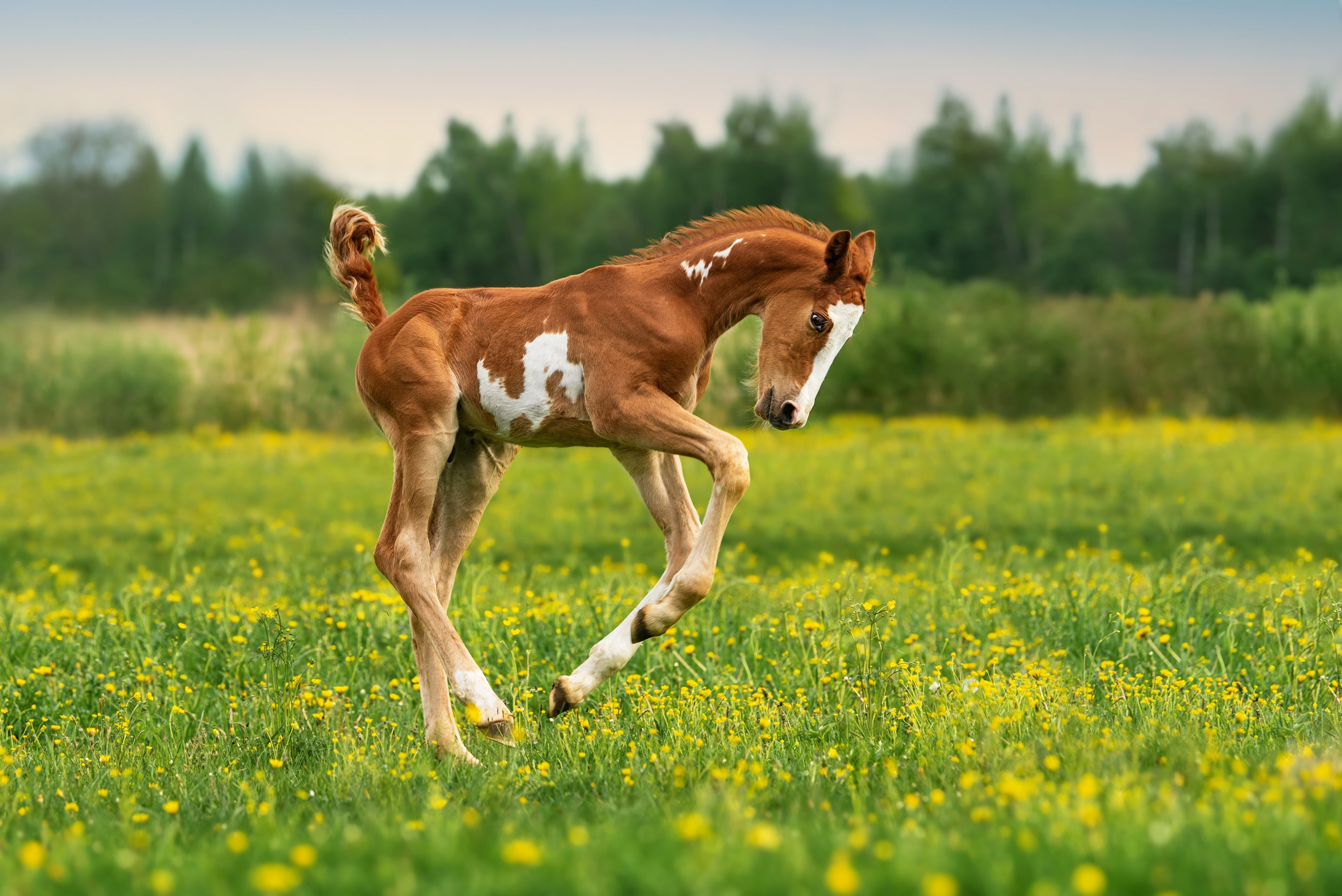
A foal hits the ground running — sometimes literally — and yet, within seconds of birth, significant physical forces have already acted on its developing body. In her thesis submitted to the London College of Animal Osteopathy, Claire Delisle Legrand examines the often-overlooked window of opportunity that exists from birth through the young horse's developmental years, making a compelling case for early osteopathic intervention. The first section focuses on the mechanics of equine birth itself. Studies suggest that over 20% of newborn foals sustain rib fractures or disruptions at the rib-sternum junction during delivery — a figure that rises significantly when ultrasound, rather than radiography, is used for diagnosis. More striking still is the neurological implication: the foal's nascent nervous system, still in the process of maturing, may internalise the compensatory rigidity that follows these birth injuries as 'normal', laying the groundwork for lasting somatic dysfunction and performance limitations. Delisle Legrand then turns to the developmental pathologies that can emerge as young horses grow. Angular and flexural limb deformities, explored in depth, require a multidisciplinary response — farrier, veterinarian, and osteopath working in concert — with manual therapy helping to re-educate the nervous system beyond what corrective shoeing alone can achieve. The concept of Excessive Medullary Traction Force (MTF), a tension imbalance that arises when the bony spine outpaces spinal cord growth, is introduced as a unifying mechanism behind conditions ranging from scoliosis to wobbler syndrome. The thesis includes five compelling clinical case summaries — across canine, equine, and bovine patients — demonstrating measurable resolution of neurological symptoms following MTF-targeted osteopathic treatment. The final chapter addresses the practical and ethical limits of treating young patients: growth plates that remain open until six years of age in the vertebrae, the heightened risk of missed rib fractures, and the real challenge of working on an untrained, unpredictable foal. Delisle Legrand is candid about where osteopathy ends and veterinary or nutritional expertise begins. What emerges is a nuanced, evidence-supported argument that the earlier a young horse receives skilled osteopathic assessment, the better equipped its body will be to develop, compete, and thrive.
.svg.png)


.jpg)


.png)


.png)
.png)
